Can dogs eat
Sweet Potatoes?
Yes
Yes. Plain, fully cooked sweet potato is safe for dogs as an occasional treat in sensible portions. Raw sweet potato and sweetened or seasoned dishes are not suitable.
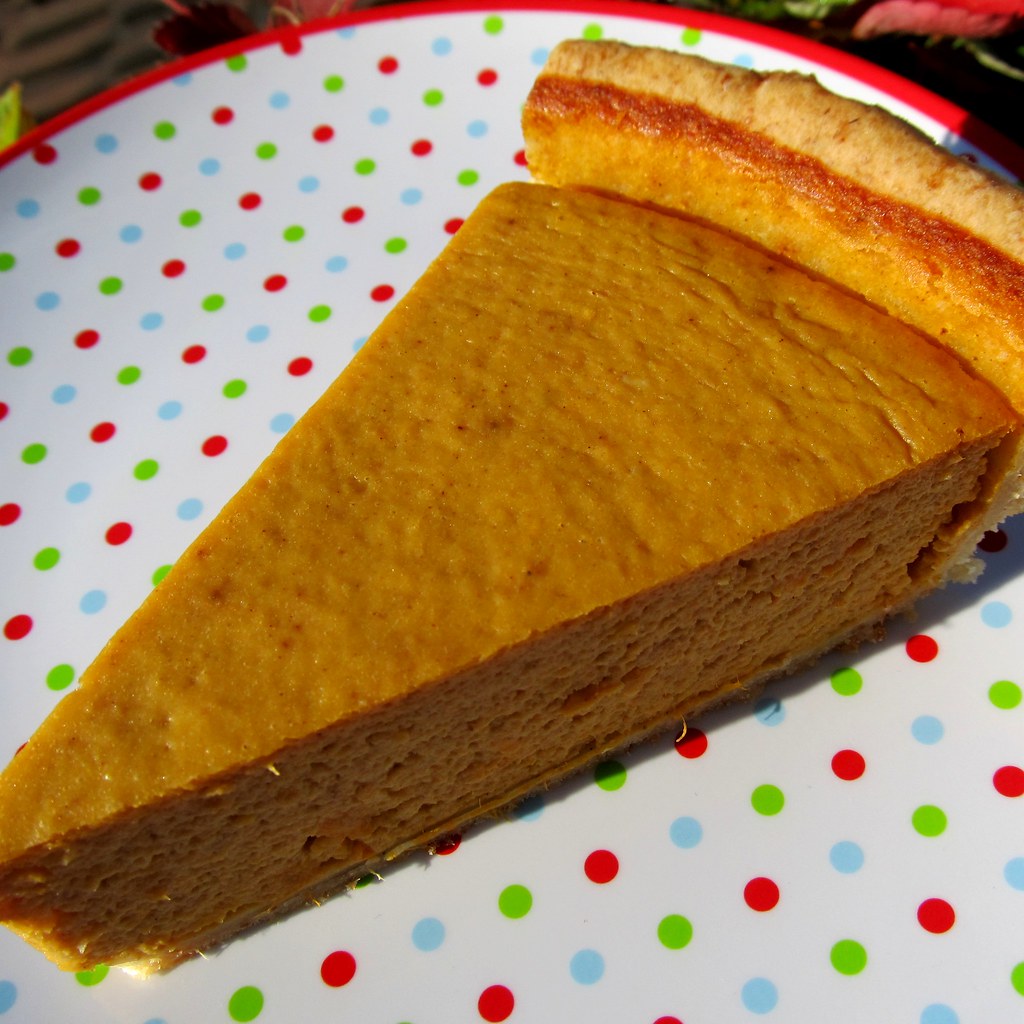
Why it’s safe
Sweet potatoes are not toxic to dogs. Cooked, they supply fiber, beta-carotene (which dogs convert to vitamin A), vitamin C, potassium and iron, and most dogs find them naturally sweet and appealing.
Preparation matters. Both AKC and PetMD say sweet potato must be cooked: raw sweet potato is hard to chew and digest and can cause stomach upset or an intestinal blockage. The skin is also harder to digest, so peel it. Cooked and cooled without salt, butter, sugar or spices, it is gentle on most stomachs. Recipes with butter, sugar, molasses and other seasonings are out.
Sweet potato is starchy, so it counts as a treat, not a free food. Too much vitamin A can weaken bones and muscles, and carbohydrates should not be the main food. AKC also notes an FDA alert about dilated cardiomyopathy in dogs eating certain pet foods that have potatoes, peas or lentils as main ingredients, so it should not become a large part of the diet. Dogs with diabetes, overweight dogs and dogs on prescription diets should have it only on vet advice.
Benefits
- Good source of fiber, which supports healthy digestion
- Contains beta-carotene (vitamin A), vitamin C, potassium and iron
- Naturally sweet, so many dogs accept it readily
- Low in fat
Risks
- Raw pieces are hard to digest and may cause choking or blockage
- The skin is harder to digest
- Butter, sugar, salt, spices and molasses in prepared dishes are unsuitable
- Starchy, so overfeeding can add weight, and too much vitamin A can be harmful
- Too much can upset the stomach
How to serve it safely
Peel, then bake, steam or boil until soft and let it cool. Serve mashed or cut into small pieces, with no seasoning of any kind. Make it soft enough to lower the choking risk, especially for dogs that gulp their food.
Keep treats under 10% of daily calories and feed sweet potato only occasionally. PetMD suggests small portions, such as a tablespoon or so for a very small dog, and recommends asking a vet for a size tailored to your dog. Introduce it slowly. Use the dog food calculator to see your dog's daily calorie needs.
Related forms
| Food | Verdict | Why |
|---|---|---|
| Cooked plain sweet potato | Yes | Best form: peeled, soft, cooled and unseasoned. |
| Raw sweet potato | No | Hard to chew and digest, with a choking or blockage risk. |
| Sweet potato fries | With caution | Fried and salted versions are fatty. See french fries. |
| Candied or casserole sweet potato | No | Sugar, butter and spices. |
| Commercial sweet potato treats for dogs | In moderation | Made for dogs, but they still count toward daily calories. |
If your dog already ate it
A bit too much plain sweet potato may cause gas or loose stool, which usually clears within a day. Hold the extras and offer water.
Call your vet if your dog swallowed large raw chunks or skin and is gagging, vomiting, painful or unable to pass stool, which could signal a blockage. If the dish contained onion, garlic, nutmeg, chocolate or a sugar-free sweetener such as xylitol, treat it as a possible poisoning. In the US, ASPCA Animal Poison Control is (888) 426-4435 and Pet Poison Helpline is (855) 764-7661 (fees may apply). Do not try to make your dog vomit at home.
Frequently asked questions
Can dogs eat sweet potato skin?
It is best to peel it. AKC and PetMD both say the skin is harder to digest, and PetMD notes it can raise the risk of choking or blockage.
Are sweet potatoes better than regular potatoes for dogs?
Both are fine when cooked and plain, and both are starchy, so treat them as occasional extras rather than a main food.
Can dogs eat raw sweet potato?
No. Raw sweet potato is hard to chew and digest and can cause blockage or choking.
Can sweet potato upset my dog's stomach?
Yes, if too much is fed at once. Start with a small amount and build up slowly.
Written from veterinary sources by the Pawsplained editorial team. Not yet reviewed by a veterinarian; this is general information, not a diagnosis or treatment plan. Updated Oct 25, 2026. Editorial policy
Sources
Safer alternatives
More vegetables
All foods- AsparagusIn moderation
- BeansIn moderation
- BeetsIn moderation
- Bell PeppersYes
- BroccoliIn moderation
- Brussels SproutsIn moderation
- CabbageIn moderation
- CauliflowerYes
- CeleryYes
- ChickpeasIn moderation
- CornWith caution
- CucumbersYes
- EdamameIn moderation
- GarlicNo
- LettuceYes
- MushroomsWith caution
- OlivesIn moderation
- OnionsNo